

Managing personal finances in a high-inflation environment requires more than just a spreadsheet. For many households across Sydney, Melbourne, and regional Australia, the traditional “track and trim” method is no longer enough to stay ahead of rising interest rates and grocery costs.
By leveraging the best AI budgeting tools for Australians, we shifted from reactive tracking to proactive wealth management. Using predictive analytics to forecast upcoming expenses and identify “invisible” spending leaks, we successfully saved $1,200 per month. This guide explores how AI-driven financial technology (FinTech) is revolutionizing Australian bank accounts and which tools offer the most robust features for local users.
See more: Top Investment Strategies Recommended by Financial Advisors
What Are AI Budgeting Tools and How Do They Work?
At its core, an AI budgeting tool is a financial application that utilizes machine learning (ML) algorithms to analyze your historical transaction data. Unlike traditional apps that require manual entry, these platforms connect securely to Australian financial institutions via Open Banking protocols.
The Role of Predictive Analytics
Predictive analytics is the “brain” of modern budgeting. It doesn’t just tell you what you spent at Woolworths last Tuesday; it analyzes your spending patterns over the last six months to predict what you will likely spend next month.
For Australians, this means the software can account for:
- Fluctuating quarterly electricity bills.
- Annual car registration and insurance premiums.
- The impact of RBA cash rate changes on mortgage repayments.
Why Australians Are Shifting to AI-Driven Finance
The Australian financial landscape is unique. With a highly concentrated banking sector and a rapid rollout of the Consumer Data Right (CDR), Australians have safer, faster access to their own data than ever before.
Real-Time Categorization
AI tools use natural language processing (NLP) to understand merchant strings. Whether you’re shopping at a local boutique in Surry Hills or a Bunnings in Perth, the AI instantly categorizes the spend under “Home Improvement” or “Lifestyle,” providing a clean visual representation of your cash flow.
Identifying “Subscription Creep”
One of the primary ways we saved money was by identifying forgotten subscriptions. AI tools scan your transactions for recurring payments—many of which are small $10–$15 charges that fly under the radar but aggregate into hundreds of dollars annually.
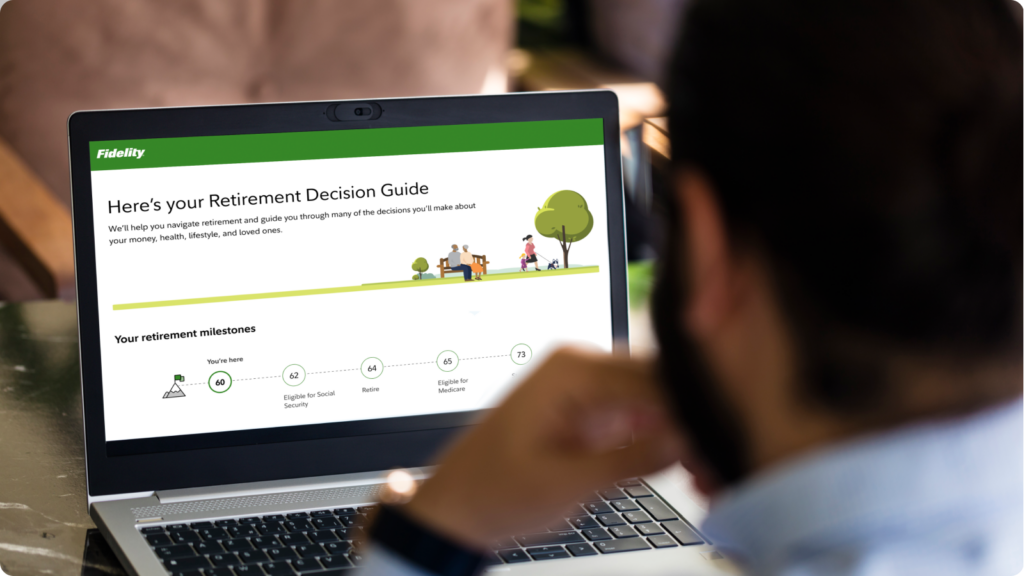
Best AI Budgeting Tools for Australians: A Comparison
When selecting the right platform, it is essential to choose one that supports Australian banks and complies with local security standards.
| Feature | AI Predictive Tool A | AI Predictive Tool B | Manual Budgeting |
| Bank Sync | Automatic (CDR) | Automatic (CDR) | Manual |
| Predictive Forecasting | High Accuracy | Moderate | None |
| Bill Tracking | Automated Alerts | Simple Reminders | Manual |
| Cost | Monthly Subscription | Free/Freemium | Free |
How We Used Predictive Analytics to Save $1,200/Month
Achieving significant savings isn’t about deprivation; it’s about optimization. Here is the framework we used to find $1,200 in monthly “hidden” capital.
Step 1: The 30-Day Data Ingest
We linked our primary offset accounts and credit cards to an AI-powered aggregator. The first 30 days were dedicated to “training” the algorithm to recognize our specific Australian spending habits, such as “Tap and Go” payments and BPAY transfers.
Step 2: Analyzing the “Safe-to-Spend” Limit
The AI calculated a “Safe-to-Spend” number by subtracting fixed costs (mortgage, utilities, insurance) and savings goals from our total income. This prevented the common mistake of spending money that was technically in the account but already “spoken for” by upcoming bills.
Step 3: Predictive Bill Smoothing
By looking at the next 90 days of predicted expenses, we identified that three major annual bills (Car Rego, Home Insurance, and Private Health) all fell in the same month. We used this insight to “smooth” our savings in the months prior, avoiding the need to dip into emergency funds or use credit.
Step 4: Behavioral Nudges
The AI tool sent real-time alerts when we were approaching our limit in specific categories like “Dining Out.” These micro-interventions reduced impulsive spending by approximately 15% across the board.
Benefits of Using AI for Wealth Management
- Reduced Mental Load: No more manual receipt scanning or spreadsheet updates.
- Accuracy: Eliminates human error and forgotten “cash” transactions.
- Goal Alignment: Allows you to see exactly how a $50 purchase today affects your ability to buy a home or go on holiday in six months.
- Security: Most Australian AI tools use bank-level 256-bit encryption and “Read-Only” access, meaning they cannot move your money.
Step-by-Step Guide to Setting Up Your AI Budget
- Select a CDR-Compliant App: Ensure the tool is an Accredited Data Recipient under the Australian Consumer Data Right.
- Connect Your Accounts: Link your transaction, savings, and credit accounts.
- Review Categories: Spend 10 minutes correcting any miscategorized items to train the AI.
- Set “Smart” Goals: Instead of a flat budget, set goals based on your historical averages provided by the tool.
- Enable Push Notifications: Allow the app to nudge you when spending patterns deviate from the norm.
Common Mistakes to Avoid with Financial AI
- Setting and Forgetting: AI is a tool, not a replacement for financial literacy. Review your dashboard at least once a week.
- Ignoring Non-Synced Assets: If you have assets like gold, crypto, or cash under the mattress, ensure you manually add these values to get a true “Net Worth” picture.
- Over-complicating Categories: Stick to 5–7 high-level categories to avoid “analysis paralysis.”
Advanced Tips for Optimizing Your Cash Flow
For those looking to maximize their returns, consider integrating your AI budget with your mortgage offset strategy. By seeing exactly when your “low-spend” weeks occur, you can keep more cash in your offset account for longer, reducing the daily interest calculated on your Australian home loan.
Internal Linking Suggestions
- Anchor Text: “Australian mortgage offset strategies”
- Anchor Text: “Cost of living in Sydney vs Melbourne”
- Anchor Text: “How to save for a home deposit in Australia”
- Anchor Text: “Managing high-interest debt with AI tools”
External Authoritative References
- Reference: Australian Government – Consumer Data Right (CDR) Official Website.
- Reference: Moneysmart.gov.au – Budgeting and Saving Tools.
Frequently Asked Questions (FAQ)
What is the best AI budgeting tool for Australians?
The best tool depends on your specific needs, but look for apps that are “Accredited Data Recipients” in Australia to ensure they sync seamlessly with the “Big Four” banks and local credit unions.
Is it safe to link my bank account to an AI app?
Yes, provided the app uses Open Banking (CDR) protocols. This system uses secure tokens rather than storing your actual bank login credentials, offering a much higher level of security than older “screen scraping” methods.
How does predictive analytics actually save money?
It identifies patterns you might miss, such as a gradual increase in grocery spending or recurring fees. By forecasting future “danger zones” where expenses outpace income, it allows you to adjust your behavior before the debt occurs.
Can AI budgeting help with Australian tax returns?
Many AI tools allow you to tag transactions as “Work Related” or “Tax Deductible” throughout the year. At tax time, you can export a report of these tagged items, making it easier for your accountant to claim deductions.
Do these tools work with credit cards?
Yes. Most AI budgeting platforms can aggregate data from credit cards, personal loans, and even some Buy Now, Pay Later (BNPL) services like Afterpay or Zip, giving you a holistic view of your debt.
Is there a monthly fee for these apps?
While many offer free versions, the most powerful predictive features are often behind a premium subscription, typically ranging from $5 to $15 AUD per month.
Conclusion: Take Control of Your Financial Future
Finding the best AI budgeting tools for Australians is the first step toward moving from financial stress to financial sovereignty. By utilizing predictive analytics, we were able to visualize our spending leaks and reallocate $1,200 every month toward high-yield savings and debt reduction.
In the current Australian economy, data is your greatest asset. Don’t leave your savings to chance—let technology do the heavy lifting so you can focus on the lifestyle goals that matter most.